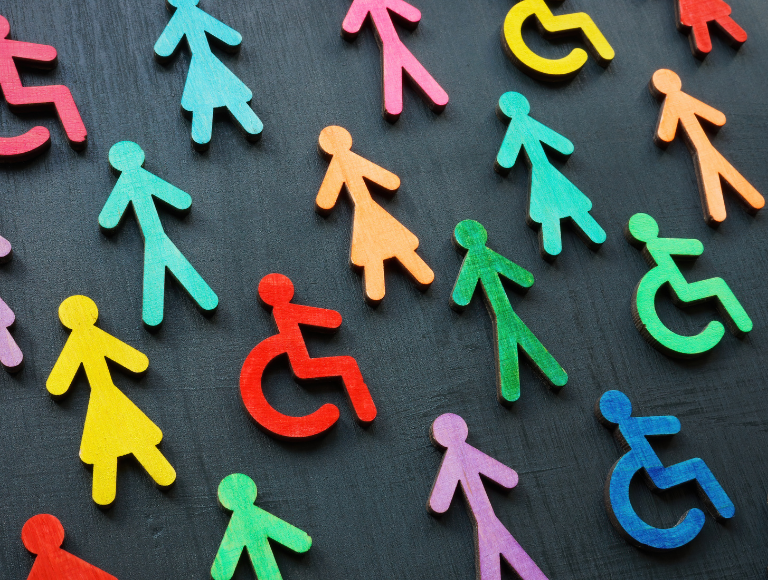
Neurodivergence is an umbrella term used to describe people whose brains work differently from neurotypical people’s brains. Neurotypical people’s brains work in the same way as the majority of the population and in the way that society expects. Neurodivergent people’s brains work differently from neurotypical people’s brains. The word neurodiversity is used to convey the fact that there are a range of ways in which people’s brains work, including the neurotypical and neurodivergent brains.
Some of the most common types of neurodivergence are usually referred to using the following terms:
At FLANC we recognise that there are other terms which are used for some types of neurodivergence and we share the concerns about the use of the word disorder.
Neurodivergence describes the way a person is and can form a major part of their identity. It is not a learning disability, a mental illness or something to be ‘cured’ or ‘fixed’ although adjustments, accommodations and thoughtfulness can help neurodivergent people when navigating the world around us.
Neurodivergence is often not obvious from the outside. Some neurodivergent people using “masking” which is when a neurodivergent person uses strategies to make their neurodivergence less obvious to others. This can be an exhausting and draining process for the neurodivergent person.
How someone’s neurodivergence is expressed and experienced both by themselves and by others will be affected by a range of other factors including:
At FLANC we believe that it is really important to get to know the person you are working with holistically: what are their needs, their strengths and their preferences.
For a variety of reasons lots of neurodivergent people are undiagnosed. This may be because they are not able to access assessment, they are on a long waiting list for assessment, because they would prefer not to be assessed or because they have been incorrectly diagnosed.
Even if someone does not have a diagnosis, it is still possible to take account of their suspected neurodivergence and the tools and resources which are being produced offer guidance to practitioners about how to do that.
The short answer is, more common than we think. By some estimates around 1 in 5 people are neurodivergent. Research has tended to focus on how common specific types of neurodivergence are, for example:
The world around us is set up for people who are neurotypical, not people who are neurodivergent. That means that neurodivergent people often face barriers because services and organisations frequently don’t understand or meet their needs.
Anyone who comes into contact with the family justice system is likely to be worried and stressed but for neurodivergent people, without their individual needs being recognised and responded to, they can struggle to access justice and outcomes can be unfair and discriminatory.
There is a lack of awareness about neurodivergence which is then compounded by stigma, stereotypes and misunderstandings.
This means that neurodivergent people and their strengths and needs can be misunderstood and overlooked. As a society. we need to rapidly change our understanding of and attitudes towards neurodivergence.
FLANC was founded because the all of the cofounders had seen a lack of awareness and understanding about neurodivergence and how to accommodate it result in: